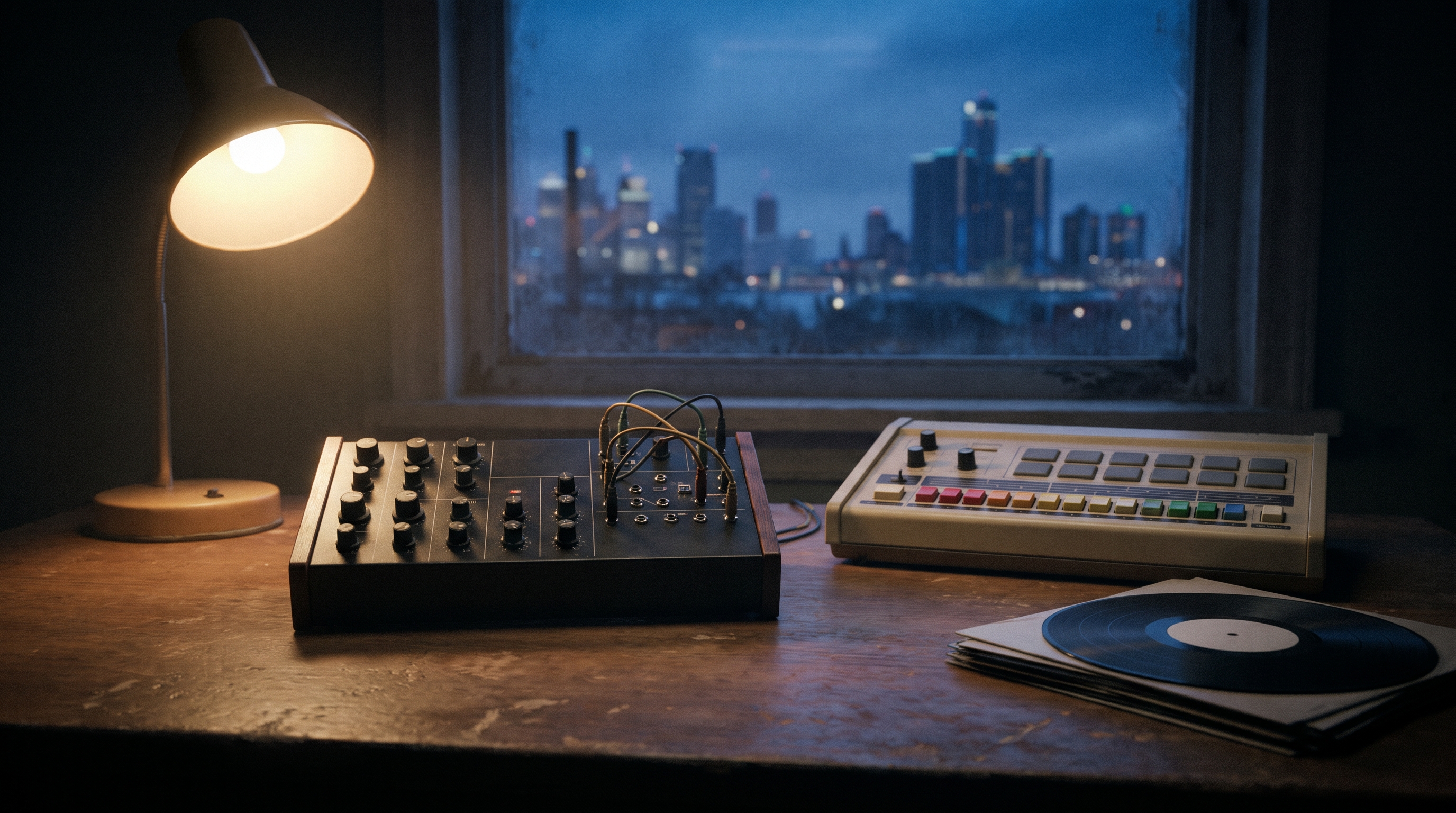
Juan Atkins, the Detroit producer who gave techno its name, died at 64 in Mexico City. His agency, Greensmith Artists, confirmed the news on Sunday, November 1: according to a representative who spoke to Resident Advisor, Atkins was found unresponsive in his hotel room before a scheduled appearance at YuYu Cine Club and was pronounced dead after being taken to a hospital. He had played a show on the night of Saturday, October 31. If you mix, produce, or just dance to electronic music, chances are something in your set comes from an idea he recorded first.
Behringer closed out October with a barrage of announcements: a sampler paying tribute to the E-mu SP-1200 with a target price of $200 and a promise that it will be open source, the Polyeight (an eight-voice analog synth inspired by the Korg Polysix), the RD-765 (a hybrid drum machine that blends the DNA of four eighties Roland machines) and the Ignite, a 64-channel sequencer whose code is already on GitHub. If you produce, play live or build a hardware setup, the interesting part isn't just the usual cheap clones: Behringer is seriously pushing the idea that the firmware of its gear can be modified by the community.
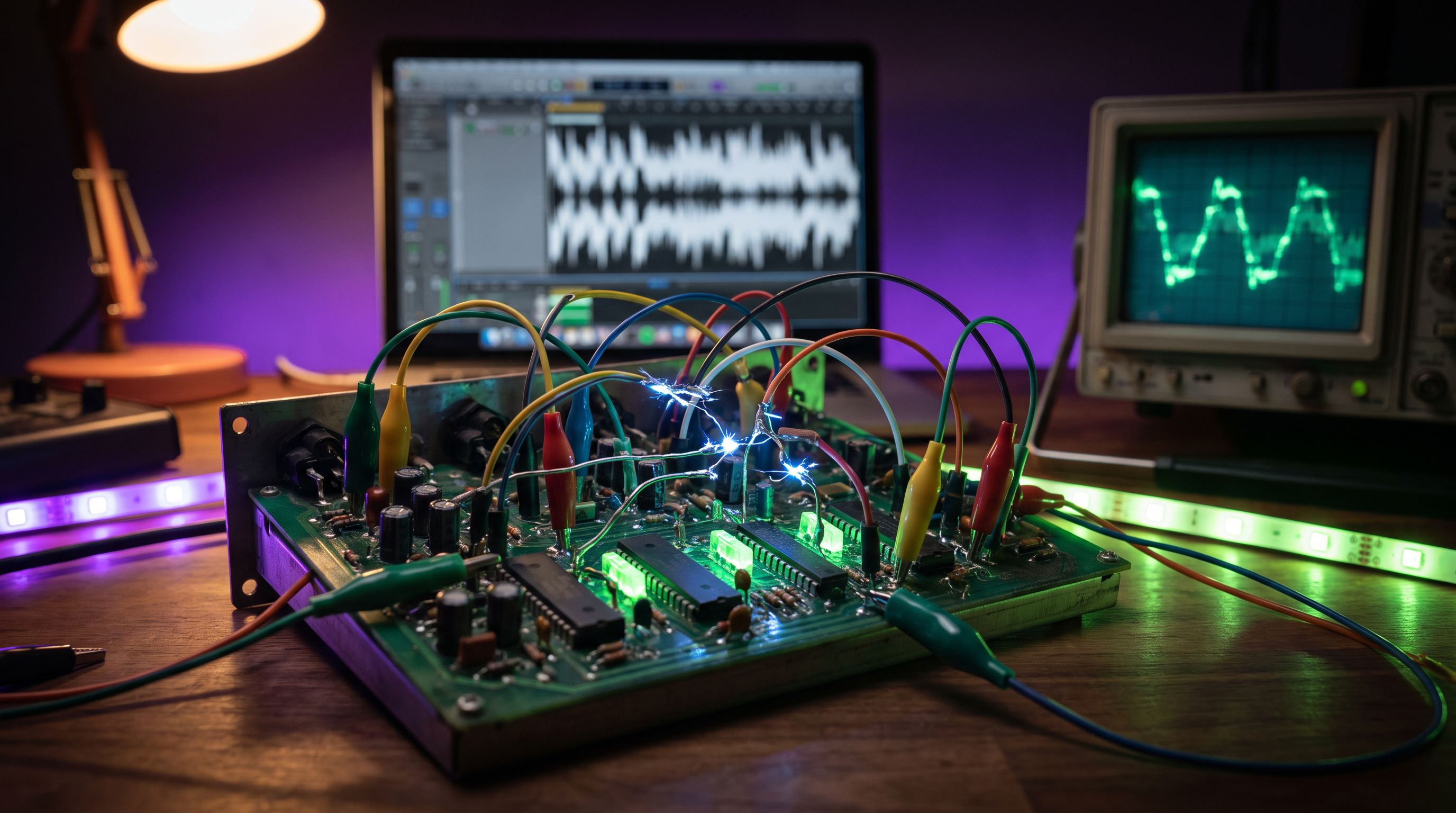
On October 30, 2026, Sinevibes released Malfunction v3, the third generation of its "circuit-bent" filter for Mac, Windows and Linux. The core idea hasn't changed since 2013: a filter model whose internal connections were deliberately tampered with, as if someone had jammed a wire in where it doesn't belong. What's new is everything around that algorithm: a second character mode, 4× oversampling to tame aliasing, an input noise gate, a more serious multimode filter and two LFOs with 15 waveforms. It costs $29 and there's a demo. If you make techno, acid or electro and are always asking your loops to sound like a broken machine, this is one of those little tools that can change a session.
Apple announced on October 27 the next version of Logic Pro, as part of a big update to its Apple Creator Studio suite that will hit the App Store in November. It brings two things that matter to anyone who produces: an artificial intelligence assistant that can operate your project for you (create tracks, open plugins, move levels) and a Stem Splitter that no longer hands you the drums as a single block, but separated piece by piece. For anyone who makes edits, remixes, or rescues old recordings, the second one is probably the most useful part of the package. The first is the most controversial.
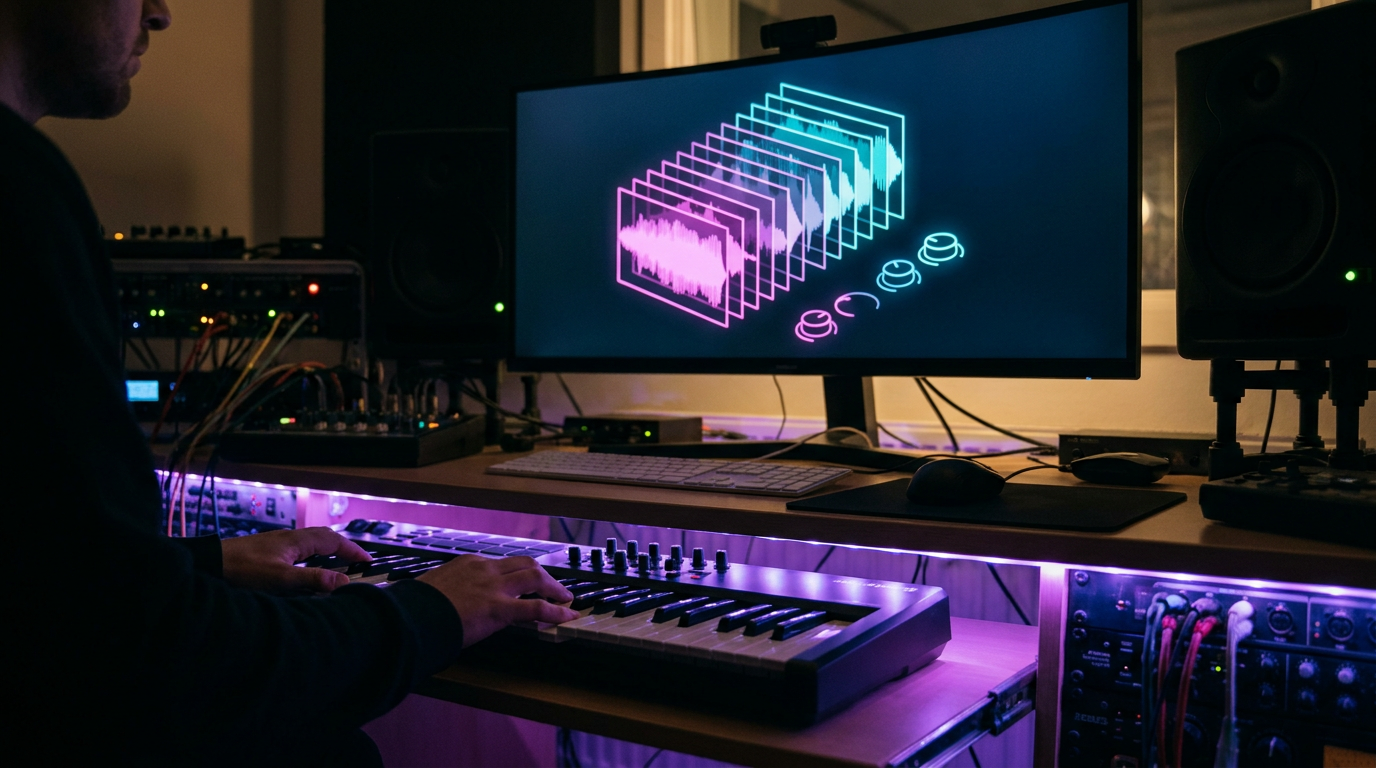
On October 27, Native Instruments released Massive XL, the third generation of the synth that half the planet used to learn how to make dubstep basses, and which came out exactly 20 years ago. It's not a synth built from scratch: it takes the engine from Massive X (2019) and adds an audio-based preset generator, patch mutation inherited from Absynth, custom wavetables, polyphonic aftertouch and a pretty heavily redesigned interface. It costs 199 dollars, but for now it's selling for 99. There's also a free version, Massive XL Player. For anyone producing bass music, techno or whatever else with wavetable synths, the practical question is whether it's worth upgrading, and the answer depends on how much you use Massive X today.
Check availability
Planning a private event?
Tell Oscar what you have in mind and he will get back to you with his availability. The form is a request for availability or a quote, not a booking: your date is held with a deposit.